
For years we were told to study so that we wouldn’t end up doing manual work.
As if using your hands were some kind of defeat.

A seamstress is a blue-collar worker. A première d’atelier, on the other hand, can earn sums that many professionals in suit and tie can only dream of.
Funny how the same pair of hands can go from being seen as a last resort to becoming a treasure.
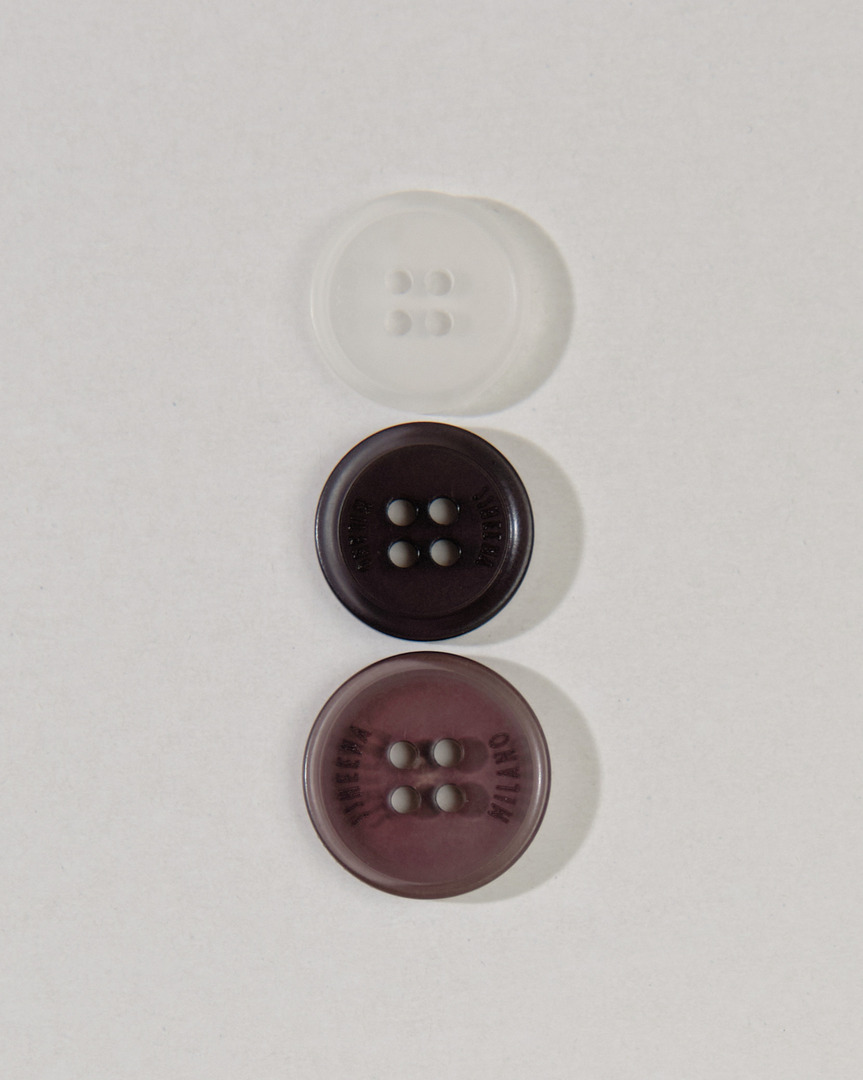
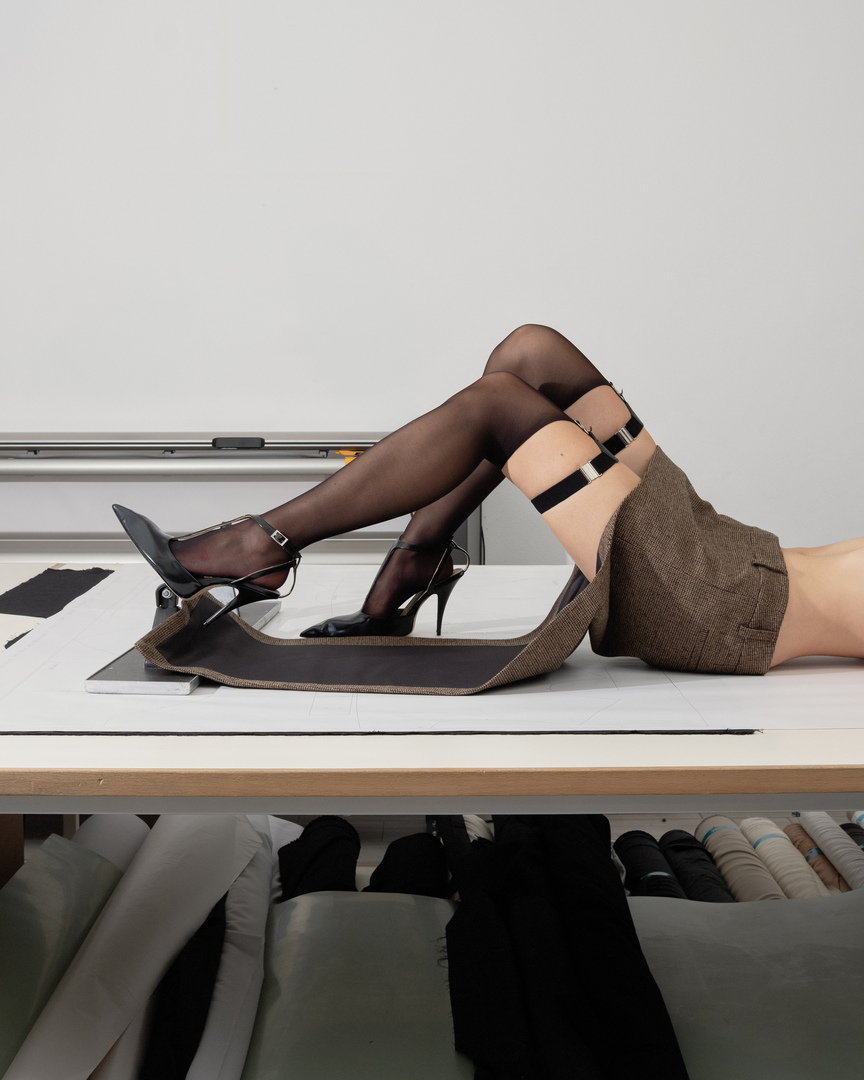
When we talk about Made in Italy, we always picture an eighty-year-old artisan, hunched over his workbench, keeper of secrets handed down through generations. Secrets he will, ideally, take to the grave.
It’s a wonderful image. Especially for anyone who has to put together an advertising campaign.
But Made in Italy, fortunately, is not yet a museum.
It is also made of young people, new ideas, sewing machines that never stop, and someone who, every now and then, would just like to rest their head on the table and never lift it again.
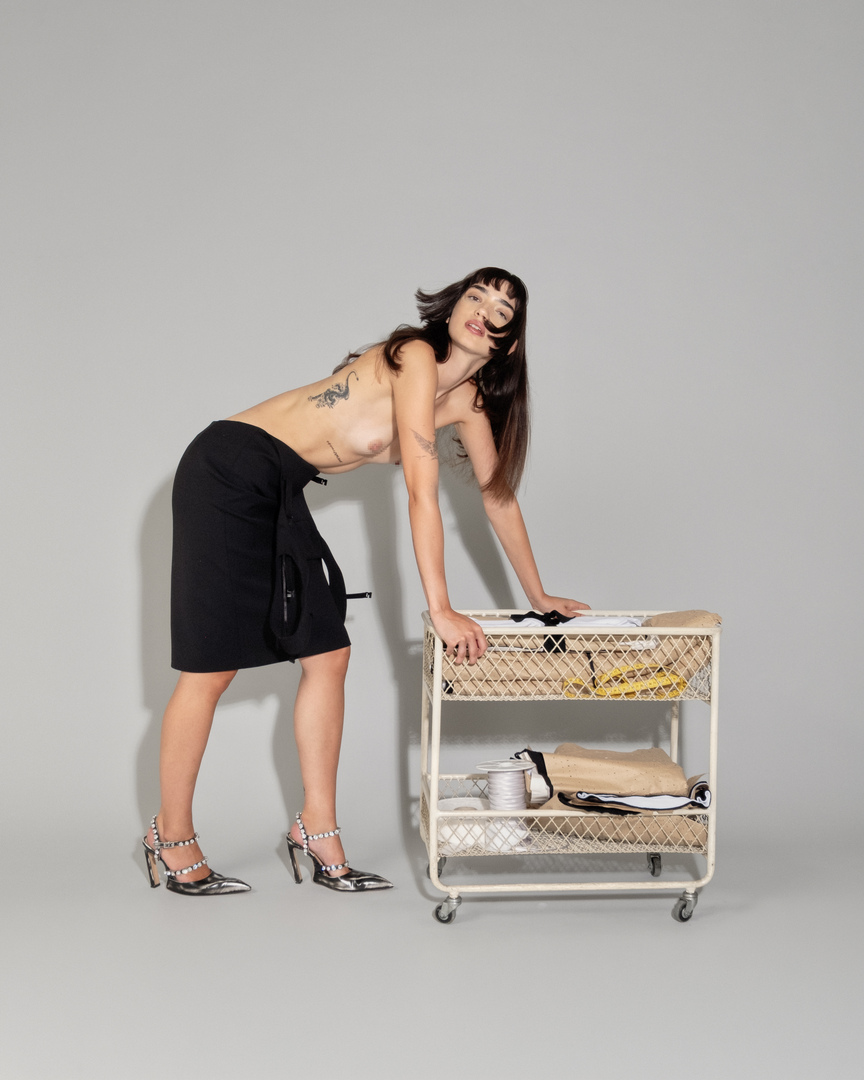
In Milan, in just a few years, we built our SSHEENA atelier. A place where we spend a probably unreasonable amount of time arguing about proportions, seams and details that most people will never notice.
And that we, of course, all notice.
We have a certain obsession with doing things well. Especially formal tailoring, but also everything that makes up our wardrobe, from head to toe.
And an equally big obsession with design.
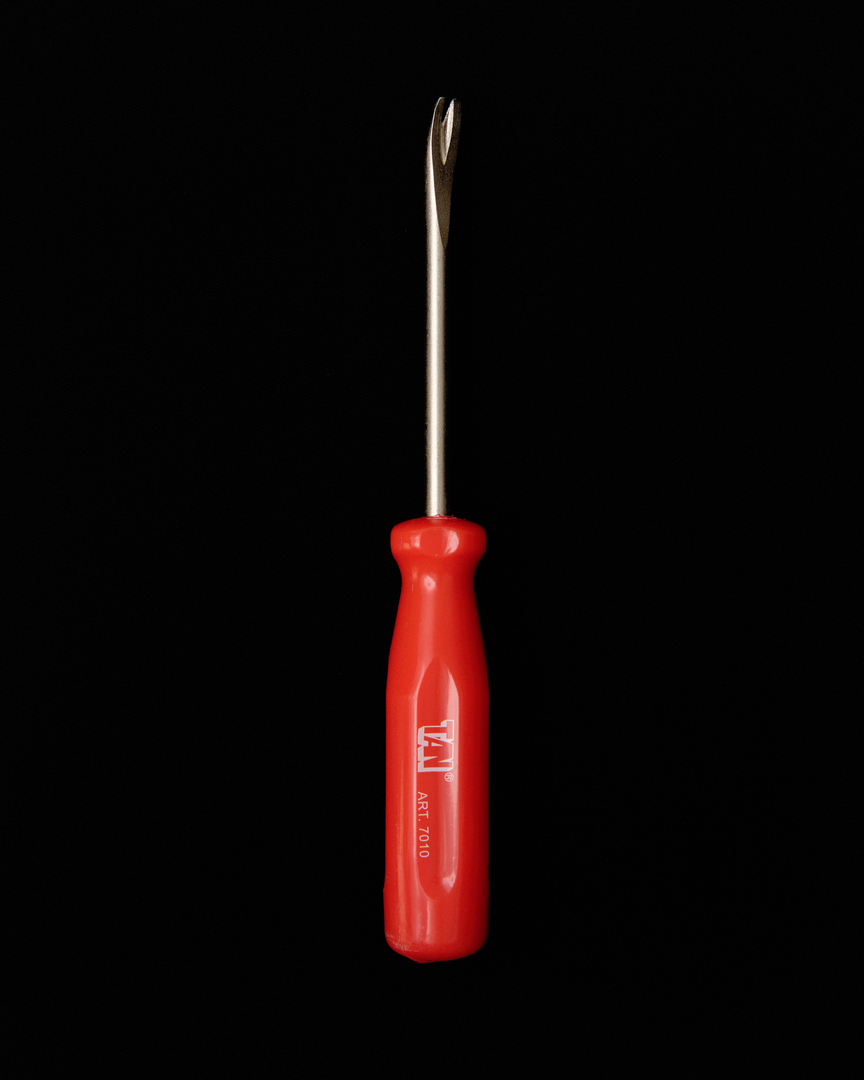
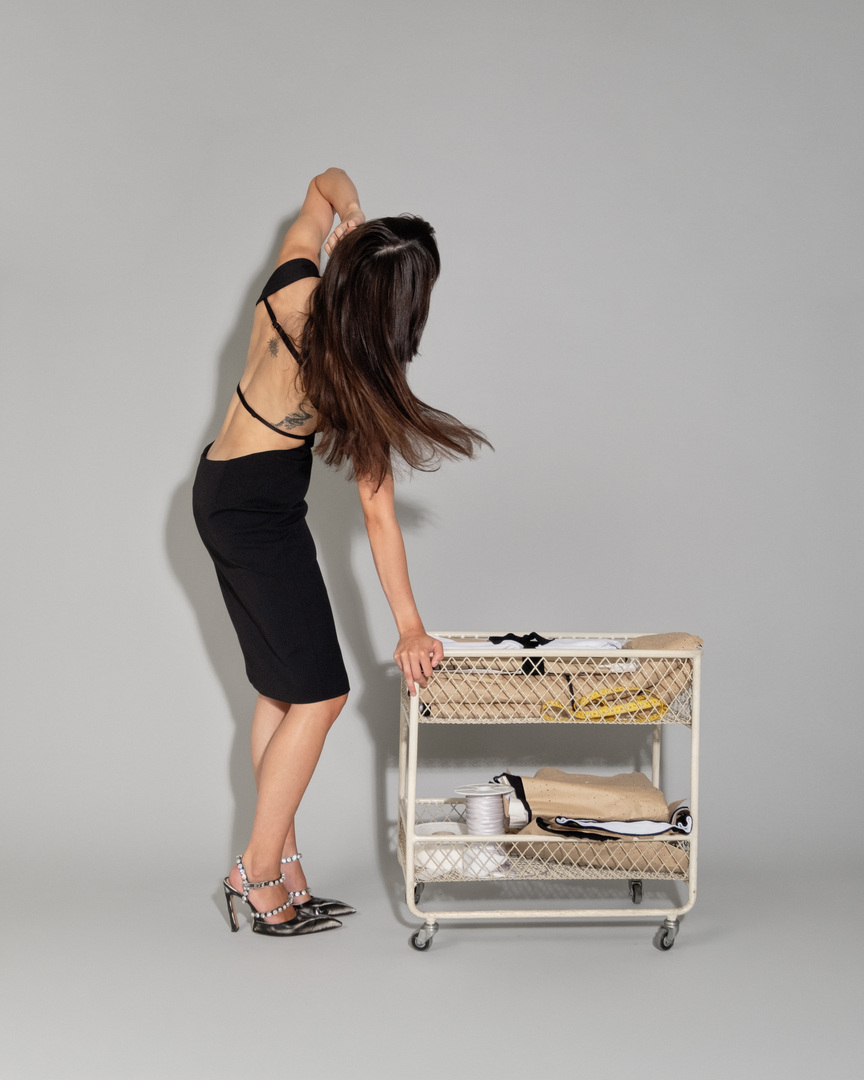
Because a garment made perfectly, but without a soul, remains a garment made perfectly. And a brilliant idea, badly packaged, remains a brilliant idea badly packaged.
We live in an age where good communication can make almost anything desirable. All it takes is a beautiful photograph, a few well-chosen words and, ideally, a touching story about someone who has been sewing for sixty years.
We would rather keep arguing for hours about an inside seam.
Not because we don’t care about communication. Quite the opposite. We like provocative ideas, images that disturb, and anything that makes fashion less predictable.
We would just like something to remain once the photograph is taken away.
A well-built jacket can take days of fittings, corrections and second thoughts. An inside seam will hardly ever get millions of views.
But we keep making it as if it would.
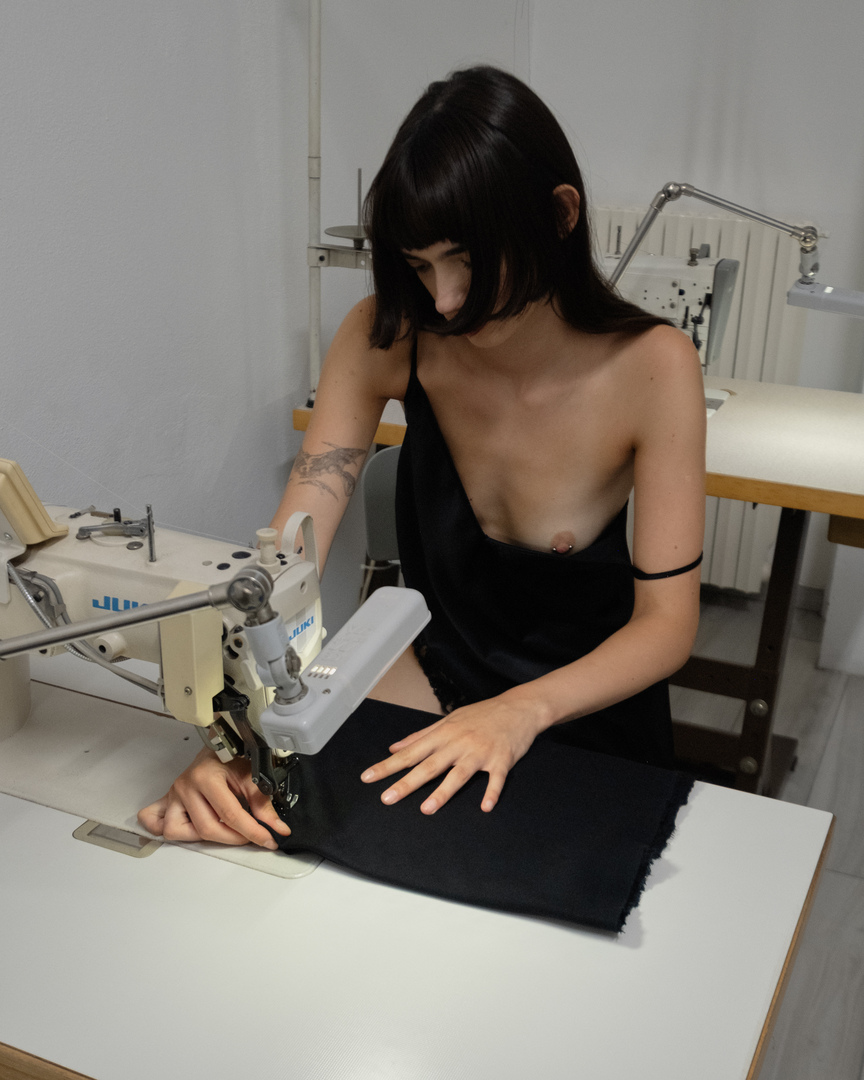
There is something paradoxical about a world where everyone wants to be creative, but fewer and fewer people know how to turn an idea into something real.
We have learned to place enormous value on those who imagine, direct and communicate. Much less on those who actually make.
And yet, without those hands, most of the ideas we celebrate would stay exactly where they were born: in someone’s head.
We don’t want to keep Made in Italy under a glass dome, nor turn it into yet another nostalgic story about a world that no longer exists.
We want it to evolve. With new people, new ideas and the same unbearable obsession with things done well.
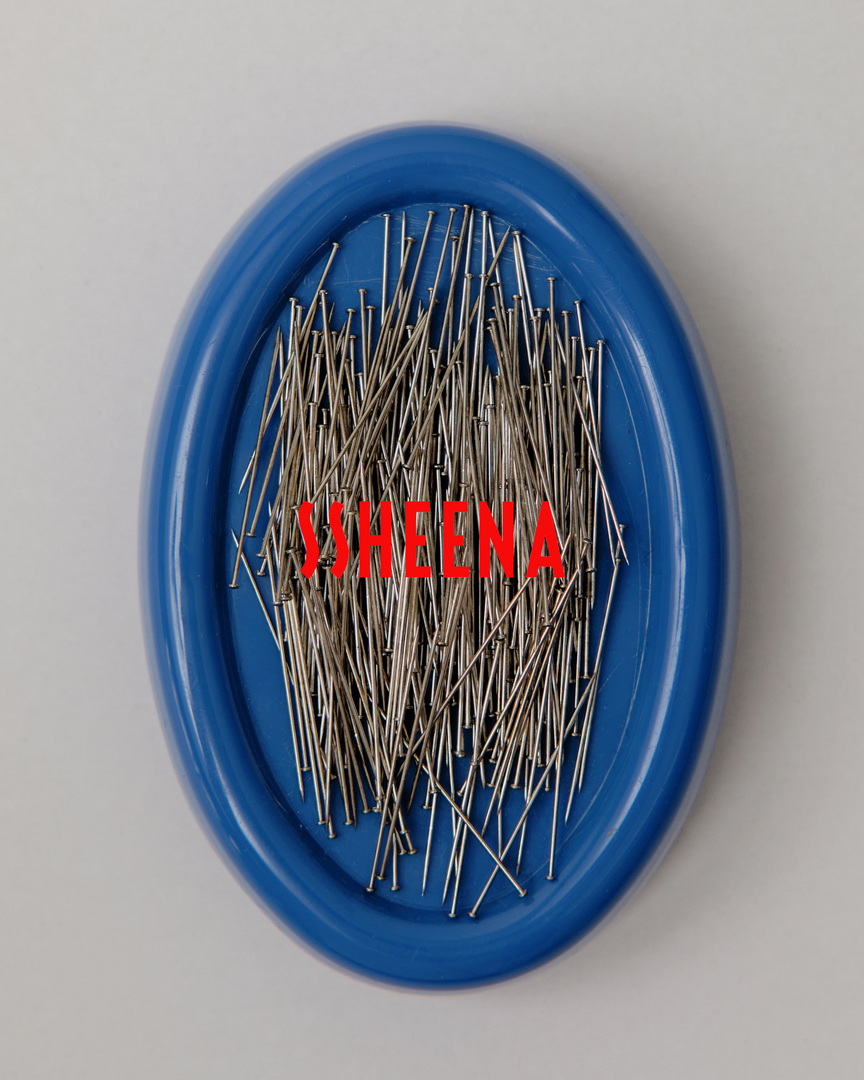
Made in Italy is not a place to show off. It is a culture of making, and it deserves to keep evolving.
Because what you see can be copied.
What lies behind it, you have to know how to make.